

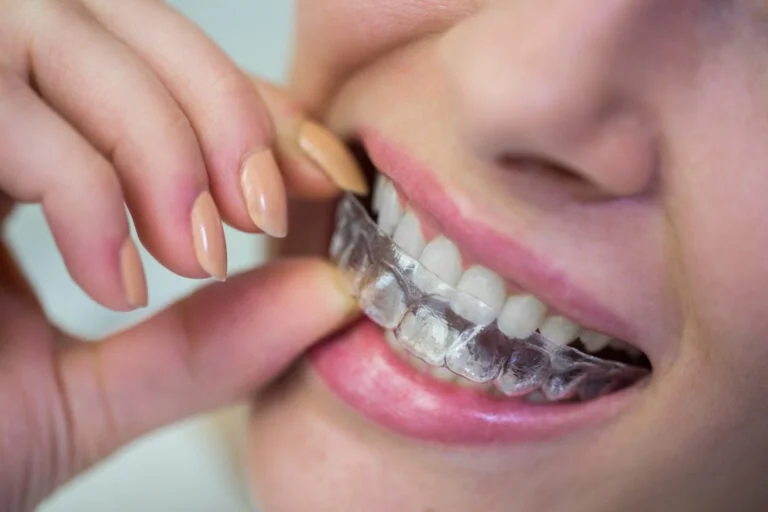
Invisalign is a popular choice for those wanting to straighten their teeth without the hassle of metal braces. A key part of this system is the small attachments that help guide your teeth into the desired position. These attachments are like tiny handles that grip onto the clear aligners, ensuring they fit snugly and work effectively. However, just like anything else, these attachments can sometimes come loose or fall off.
When an attachment comes loose, it can be a bit worrying. It’s crucial to know how to deal with this problem to keep your Invisalign treatment on track. Without the attachments, the aligners might not fit as well as they should, slowing down progress. Knowing what steps to take if this happens can make a big difference in keeping your smile journey smooth and stress-free.
What Are Invisalign Attachments?
Invisalign attachments are small, tooth-colored bumps made from composite resin, a material also used for fillings. These bumps are bonded to certain teeth to provide extra grip and help the aligners move teeth more effectively. Imagine them as tiny steering wheels, guiding your teeth in the right direction as you progress through your aligners.
The attachments ensure the aligners can apply the right amount of pressure at the right points. This precise pressure is essential to moving your teeth into their new positions. Without these attachments, the aligners may not exert enough force where needed, which could prolong treatment times.
Attachments are customised for each individual and their specific dental needs. They come in various shapes, from square to round, and are placed strategically depending on the movement required for each tooth. Typically, not every tooth will have an attachment, but the ones that do are key players in the alignment process.
Common Reasons for Attachments Falling Off
Sometimes, Invisalign attachments can come loose or fall off, which isn’t unusual. Understanding why this happens can help you prevent it in the future. Here are the main reasons attachments might fall off:
– Eating Hard Foods: Foods that are crunchy or sticky can be tough on your attachments. Biting directly into an apple or chewing on a chewy caramel can dislodge these little pieces.
– Accidental Brushing: Vigorous brushing can sometimes be too harsh, especially around the attachment areas.
– Normal Wear and Tear: Over time, everyday activities like chewing and grinding your teeth can naturally affect the bond of the attachments.
Focusing on gentle dental habits and being mindful of your diet can help keep these attachments in place. It’s also wise to limit hard or sticky foods and use a toothbrush with soft bristles to protect your attachments.
What to Do If an Attachment Falls Off
If an Invisalign attachment falls off, don’t panic. It’s important to act swiftly to avoid any delay in treatment. Here’s a straightforward plan you can follow to address this issue quickly:
1. Inspect the Attachment: First, check whether the attachment is completely off or just loose. If it’s still attached, avoid touching or wiggling it further.
2. Check the Aligners: Make sure there are no small bits of materials inside the aligners, which might indicate a piece of the attachment has come off.
3. Contact Your Dentist: Call your local dentist as soon as possible. They can assess the situation and determine if you need a quick visit to fix the attachment.
4. Continue Wearing Aligners: Don’t stop using the aligners unless instructed by your dentist. They will provide advice tailored to your specific treatment needs.
5. Book an Appointment: If advised, book an immediate appointment to have the attachment reattached. Quick action helps in maintaining your treatment schedule.
Promptly dealing with a falling attachment helps keep your Invisalign treatment on course, ensuring you’re moving forward without unnecessary delays. Your dentist will have the best advice and provide the appropriate care to get things set right again.
Preventive Measures to Keep Attachments Secure
While some attachment loss might occur naturally, there are steps you can take to minimise such incidents. Here are a few practical measures:
– Mind Your Diet: Stick to softer foods that are less likely to dislodge attachments. Foods like soup, scrambled eggs, and pasta are friendlier options.
– Brushing Technique: Use a soft-bristled toothbrush and brush your teeth gently to prevent unnecessary stress on the attachments.
– Regular Check-Ups: Keep up with regular dental appointments to catch and fix any issues early.
– Avoid Habits like Chewing on Pens: This habit can be a culprit in disrupting attachments. Chew sugar-free gum as a better alternative.
By following these simple steps, you can significantly reduce the risk of attachments falling off and ensure your Invisalign treatment proceeds smoothly.
Ensuring Invisalign Success in Shaftesbury
Regular check-ups form an important part of keeping your treatment on track. For those in Shaftesbury, it’s convenient to have local dental practices ready to assist with any Invisalign needs. Consistent visits help in monitoring progress, adjusting treatment, and promptly fixing any issues such as attachment loss.
Understanding the role of Invisalign attachments and knowing how to deal with issues enhances the whole experience. It’s all part of achieving that dream smile without unnecessary hitches along the way. Embrace these practices, and you’ll ensure a smooth, successful journey with Invisalign.
For those looking to ensure Invisalign success, particularly if you’re living in Shaftesbury, it’s vital to stay informed and proactive. Alaska House Dental Practice offers all the support and guidance you need for a smooth treatment journey. If you’re curious about enhancing your experience with Invisalign in Shaftesbury, be sure to explore more about their approach. Whether it’s regular check-ups or addressing attachment concerns, investing time in your dental care routine pays off in big smiles.